One material, many ways to use it.
Real cases of how industry applies coroplast.A new idea every week in your inbox.
Weekly newsletter: only what works on the plant floor.
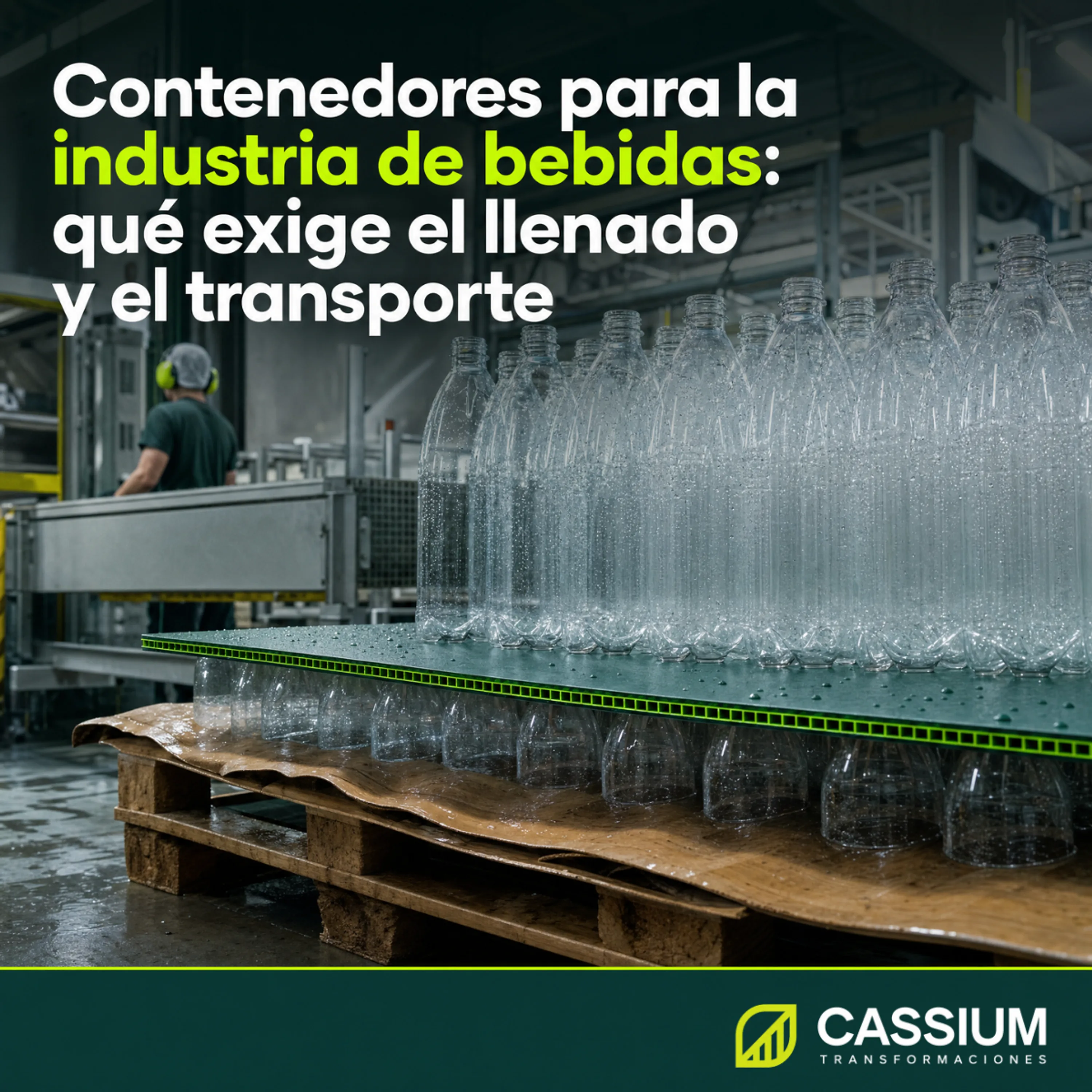
Containers for the Beverage Industry: What Filling and Transport Demand
A beverage container must keep its stiffness in humidity and cold, hold the geometry the automatic line requires and support the full stack. What to specify in gauge, design, washing and return before requesting a quote.
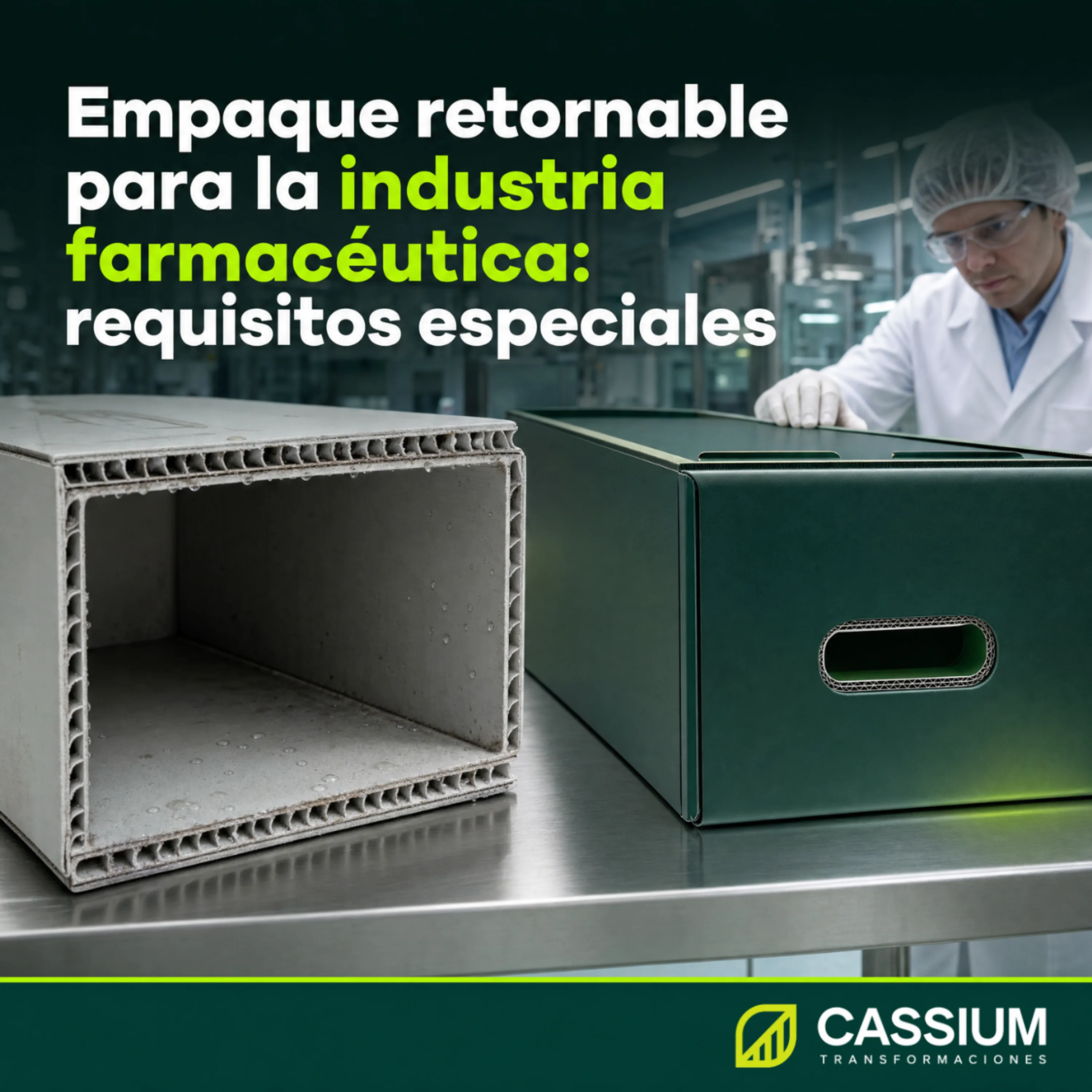
Returnable Packaging for the Pharmaceutical Industry: Special Requirements
Pharmaceutical returnable packaging must be verifiably cleanable, shed no particles, identify its area and use, and be documented as process material. What to validate with your quality department before manufacturing.
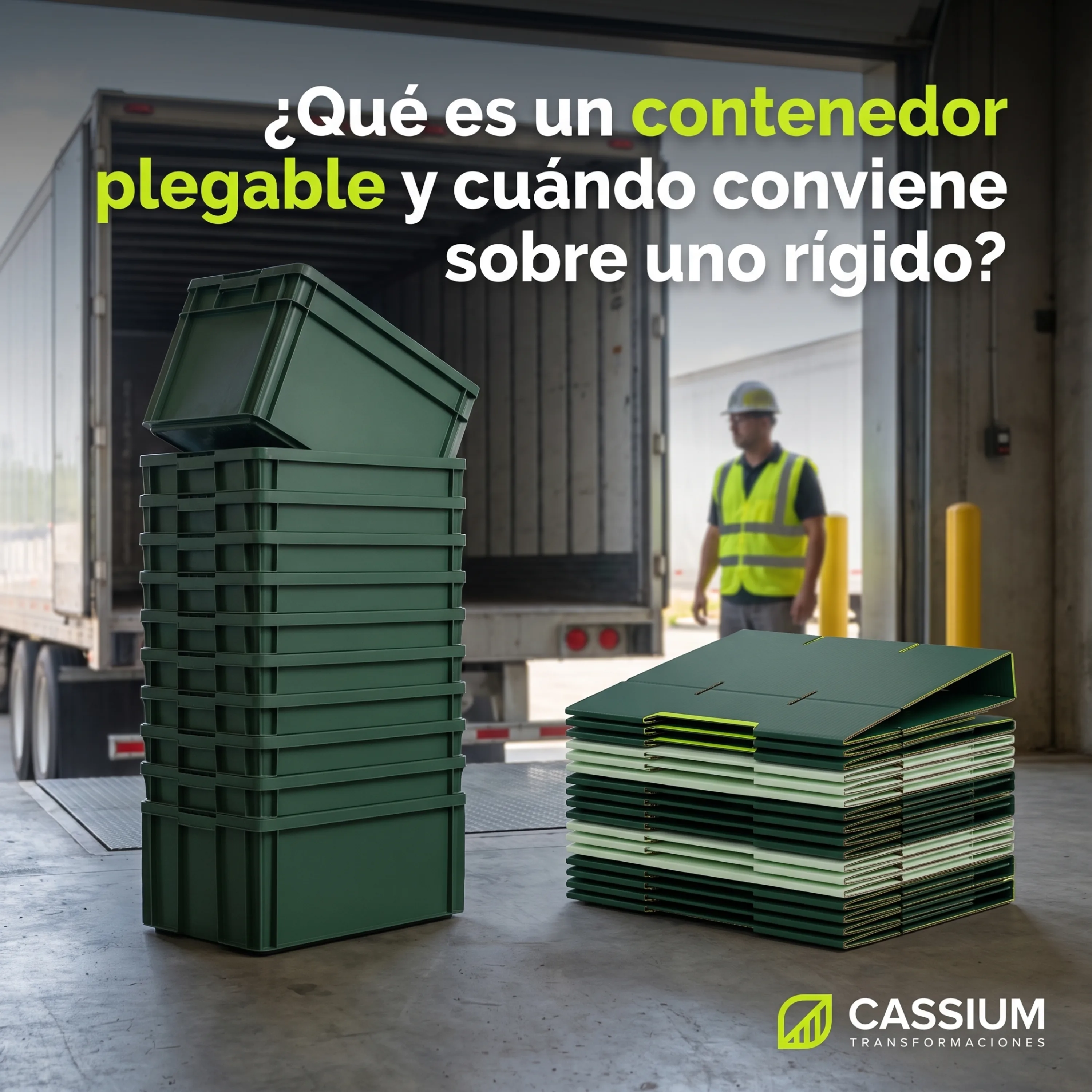
What Is a Collapsible Container and When Does It Beat a Rigid One?
A collapsible container folds its walls down when empty and takes up a fraction of the volume on the return trip. It pays off when returns are long or frequent; the rigid one wins with heavy loads, automation or intensive washing.
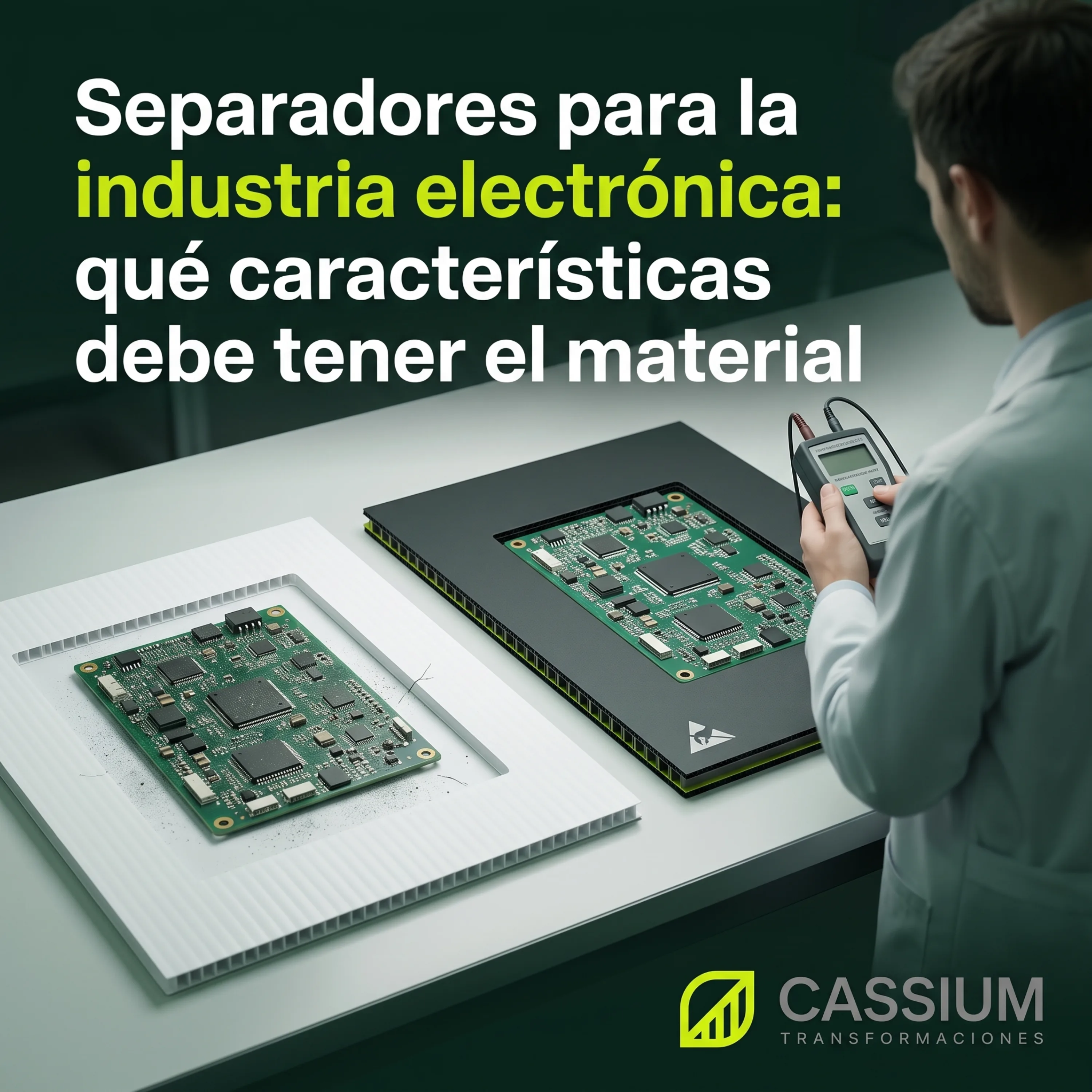
Dividers for the Electronics Industry: What Properties the Material Must Have
A divider for electronics must dissipate static charge in a controlled way, shed no particles, not scratch the part and keep those properties through every cycle: additive in the mass, custom cell and an auditable specification.
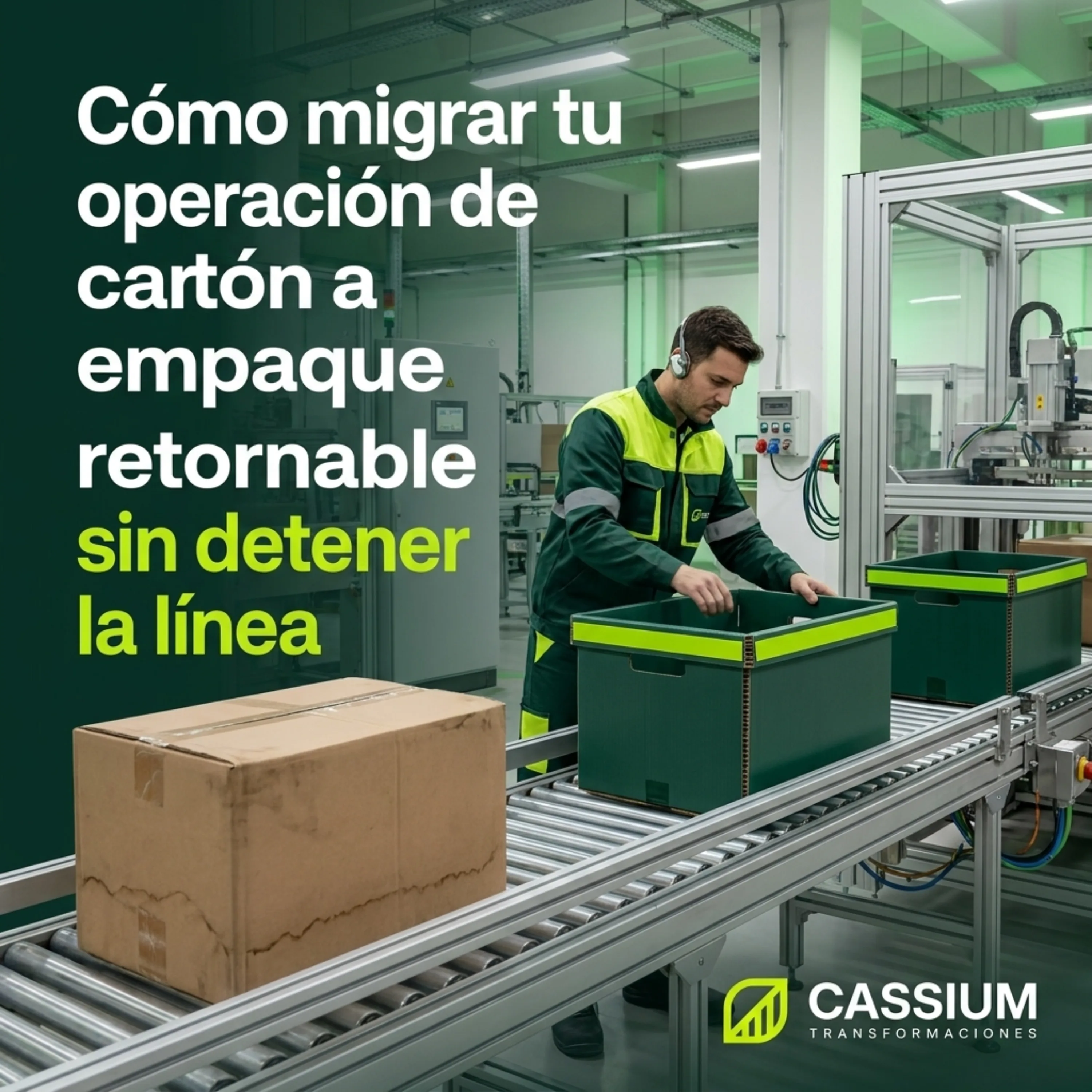
How to Migrate Your Operation From Cardboard to Returnable Packaging Without Stopping the Line
Migrating from cardboard to returnable packaging happens in stages: a pilot route, a temporary overlap of both packaging systems, and a container fleet sized on the real return cycle. At Cassium Transformaciones we manufacture the packaging and adjust the design between stages from our plant in Monterrey.
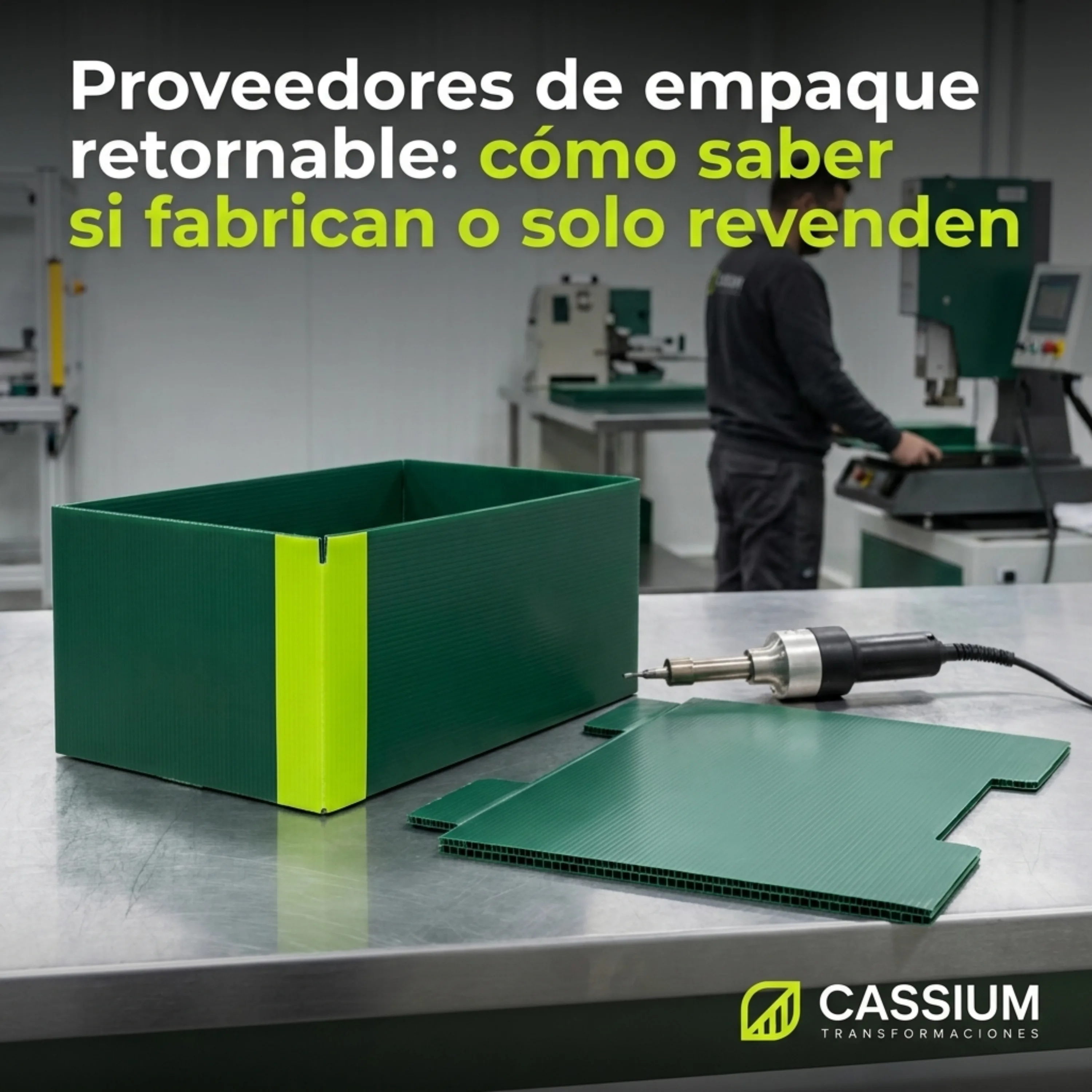
Returnable Packaging Suppliers: How to Tell Who Manufactures and Who Only Resells
A real returnable packaging manufacturer controls the sheet, the cutting tooling, and the production schedule; a reseller depends on third parties on all three fronts. At Cassium Transformaciones we extrude our own sheet and convert the finished product at our ISO 9001:2015-certified plant in Monterrey.
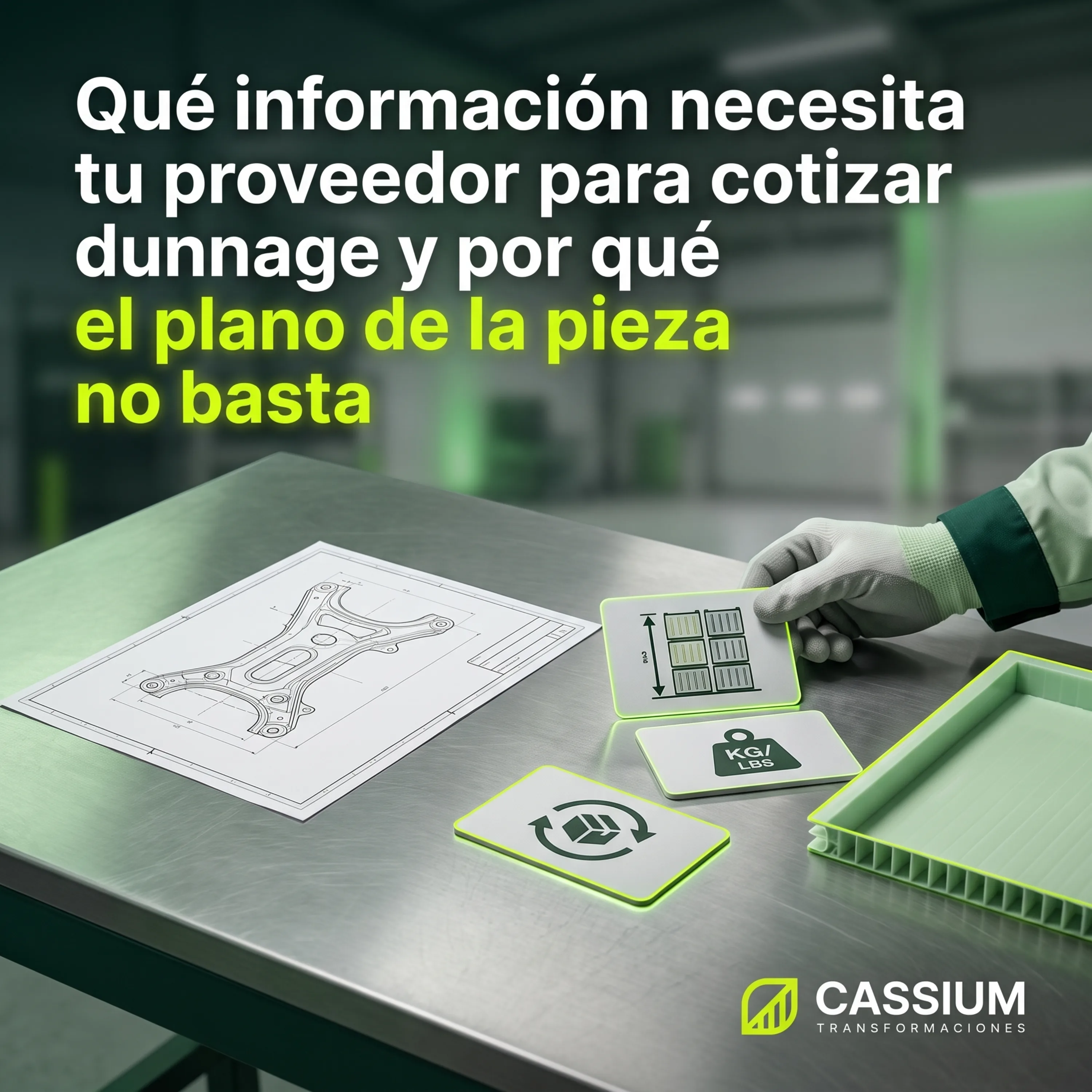
What Your Supplier Needs to Quote Dunnage, and Why the Part Drawing Isn't Enough
A part drawing describes geometry, but not the handling, weight, or use cycles that define a dunnage separator. At Cassium Transformaciones we quote your custom dunnage in a single round with six complete data points from your first request.
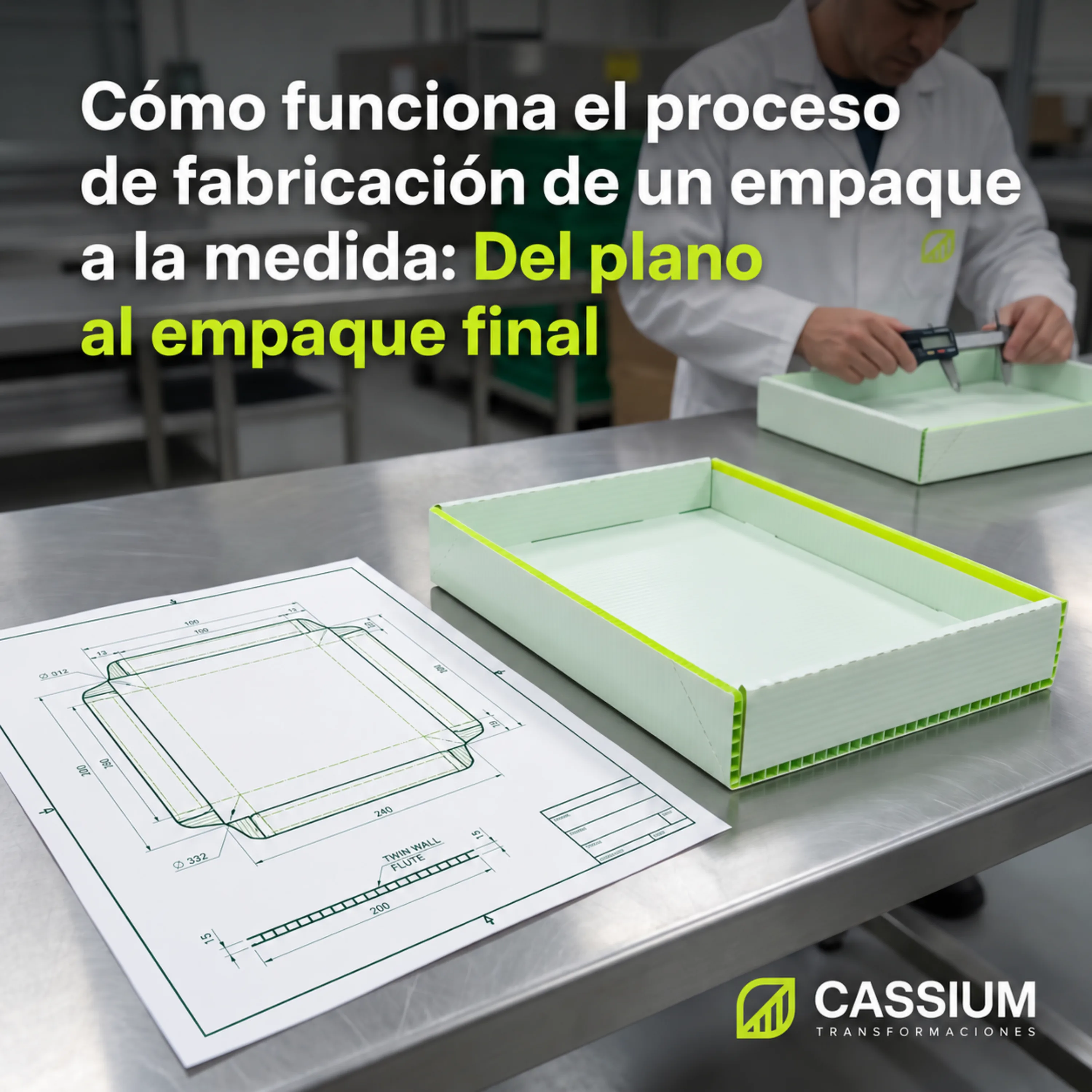
How Custom Packaging Gets Manufactured: From Engineering Drawing to Finished Packaging
Manufacturing custom packaging runs from the engineering drawing to quality validation, through cutting, folding, ultrasonic bonding, and finishing. At Cassium Transformaciones we control that entire flow in-house from our ISO 9001:2015-certified plant in Monterrey.
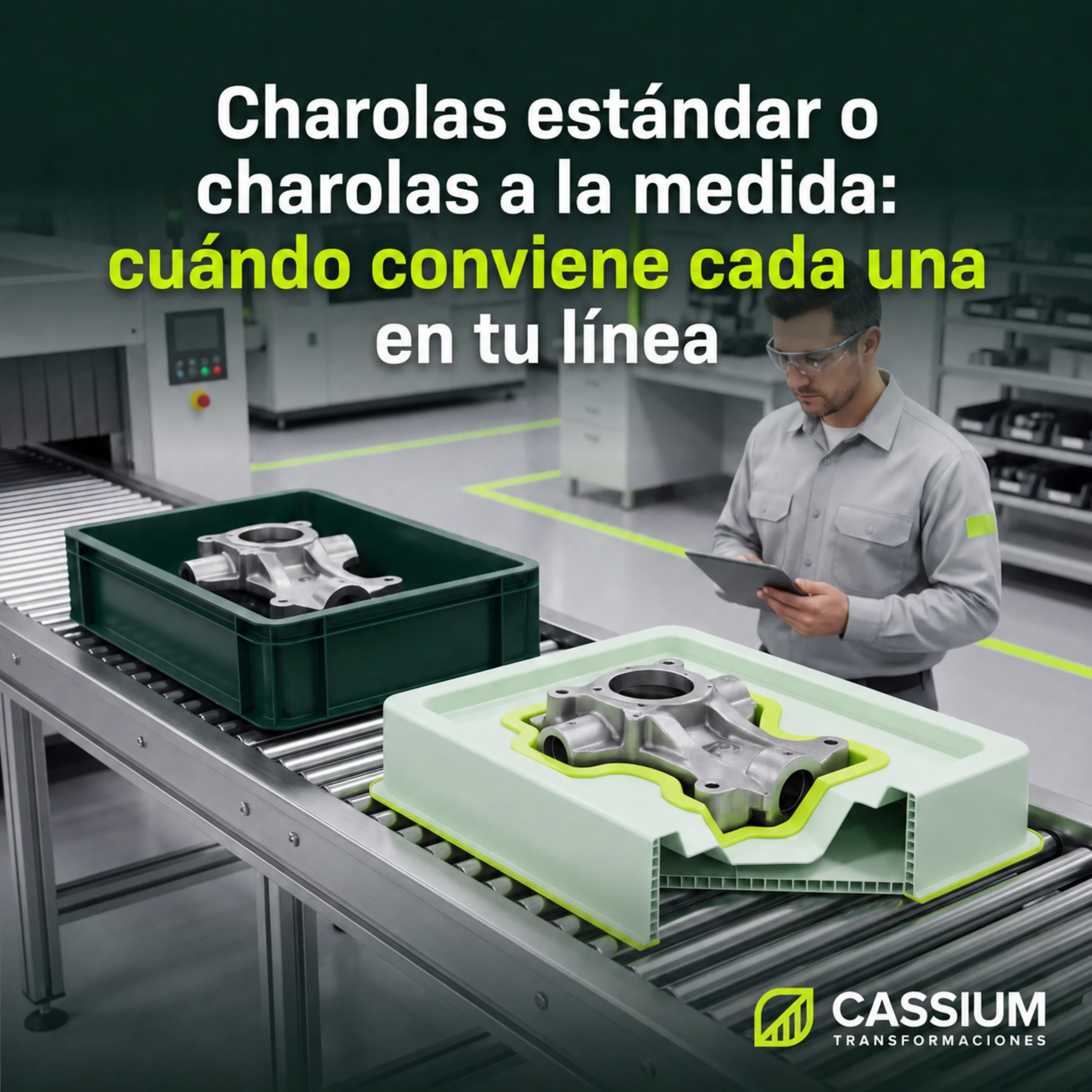
Standard Trays or Custom Trays: When Each One Makes Sense on Your Line
A standard catalog tray only protects your part when its geometry matches; when it doesn't, excess clearance causes scratches and rejects on your line. Cassium Transformaciones manufactures both standard and custom trays from your own corrugated sheet, with ESD, UV, and corporate color finishes.
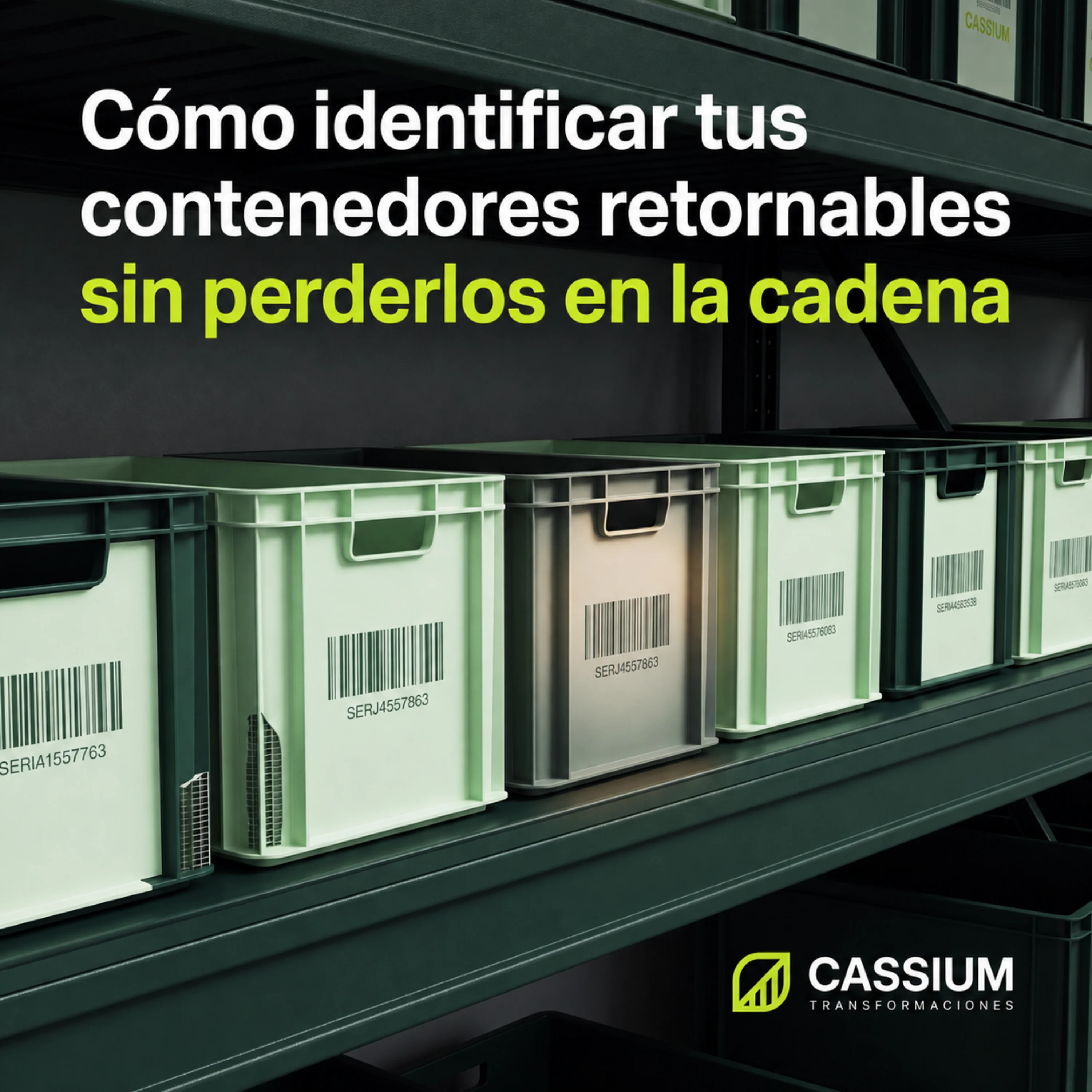
How to Identify Your Returnable Containers Without Losing Them in the Chain
Lost returnable containers almost always start with poor visual identification on the dock and yard. Cassium Transformaciones builds corporate color, high-resistance printing, and sequential coding into manufacturing, so your closed loop can recognize, count, and recover every unit each cycle.
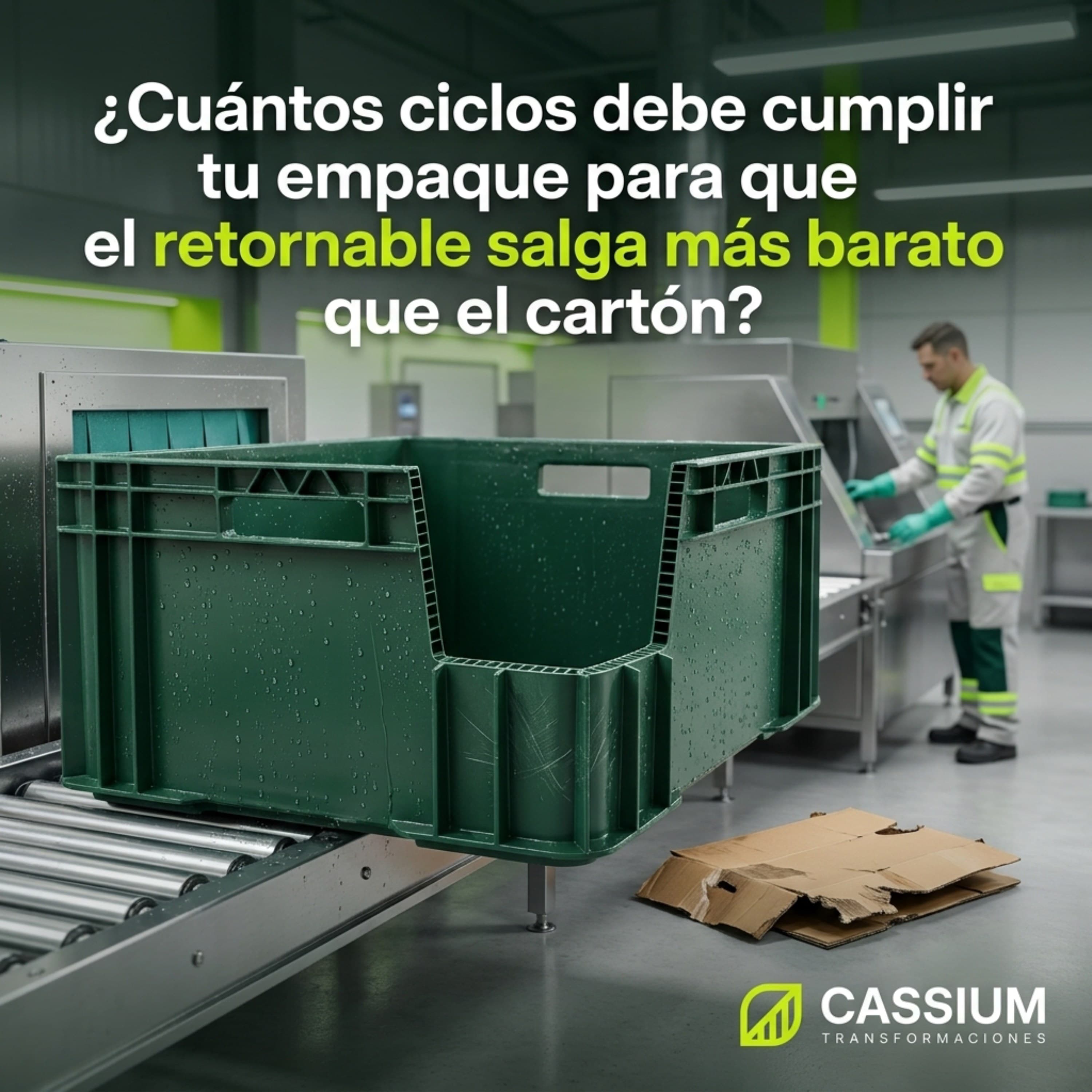
How Many Cycles Does Your Packaging Need Before Returnable Beats Cardboard on Cost?
The break-even point between returnable packaging and cardboard is calculated with the real cycles the box survives on your line, not the supplier's spec sheet. Cassium Transformaciones manufactures returnables rated for up to 40 uses.
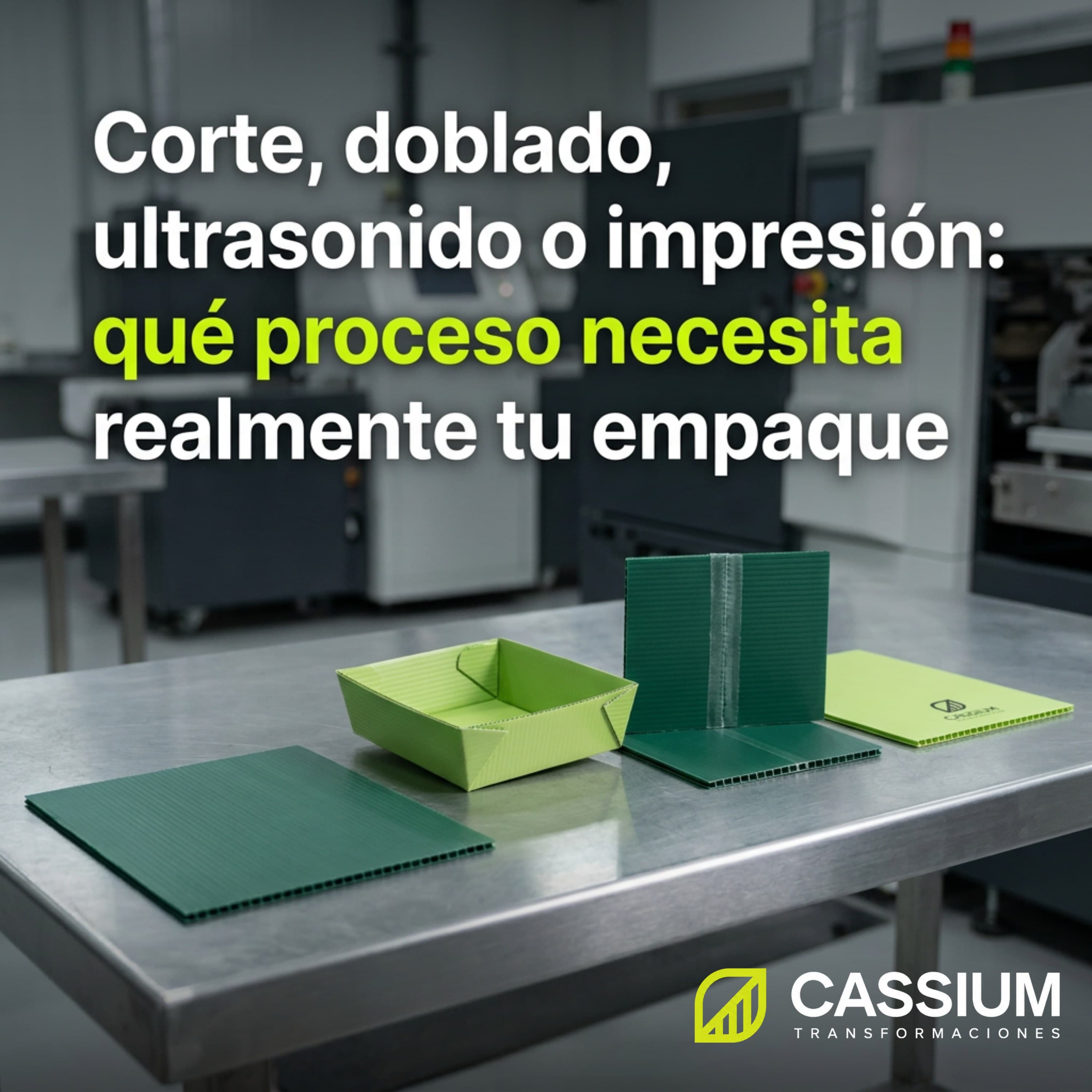
Cutting, Folding, Ultrasonic Welding, or Printing: Which Process Does Your Packaging Actually Need
Cutting, folding, ultrasonic welding, and printing each solve a different function within the same returnable packaging piece. Knowing what each process does keeps you from paying for finishes your operation doesn't need, or worse, skipping the one that holds the box together.
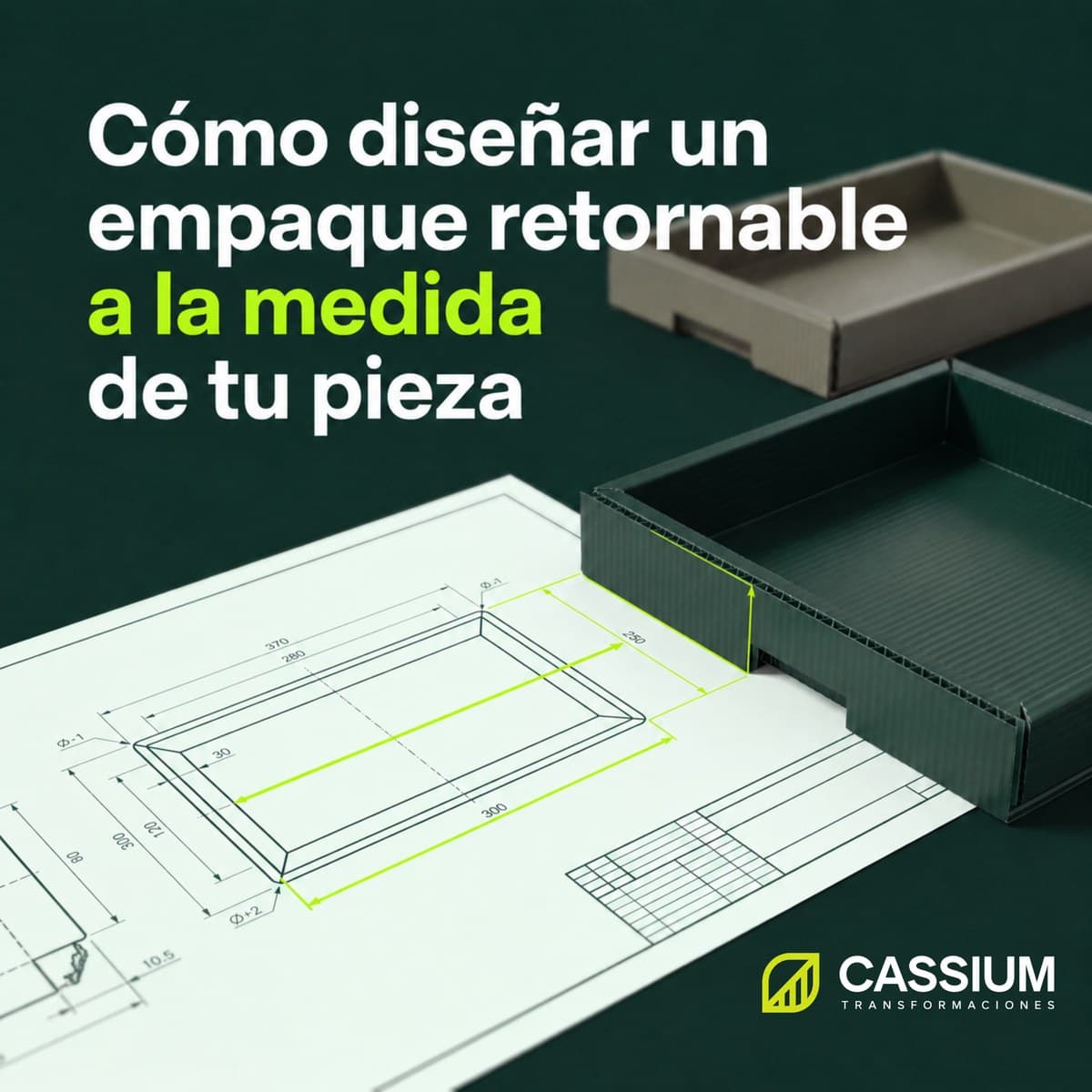
How to Design Returnable Packaging Custom-Fit to Your Part
Designing custom packaging doesn't mean paying for overdesign: it means fitting gauge, dimensions, and geometry exactly to what your part needs, with no wasted material and no less protection than required.
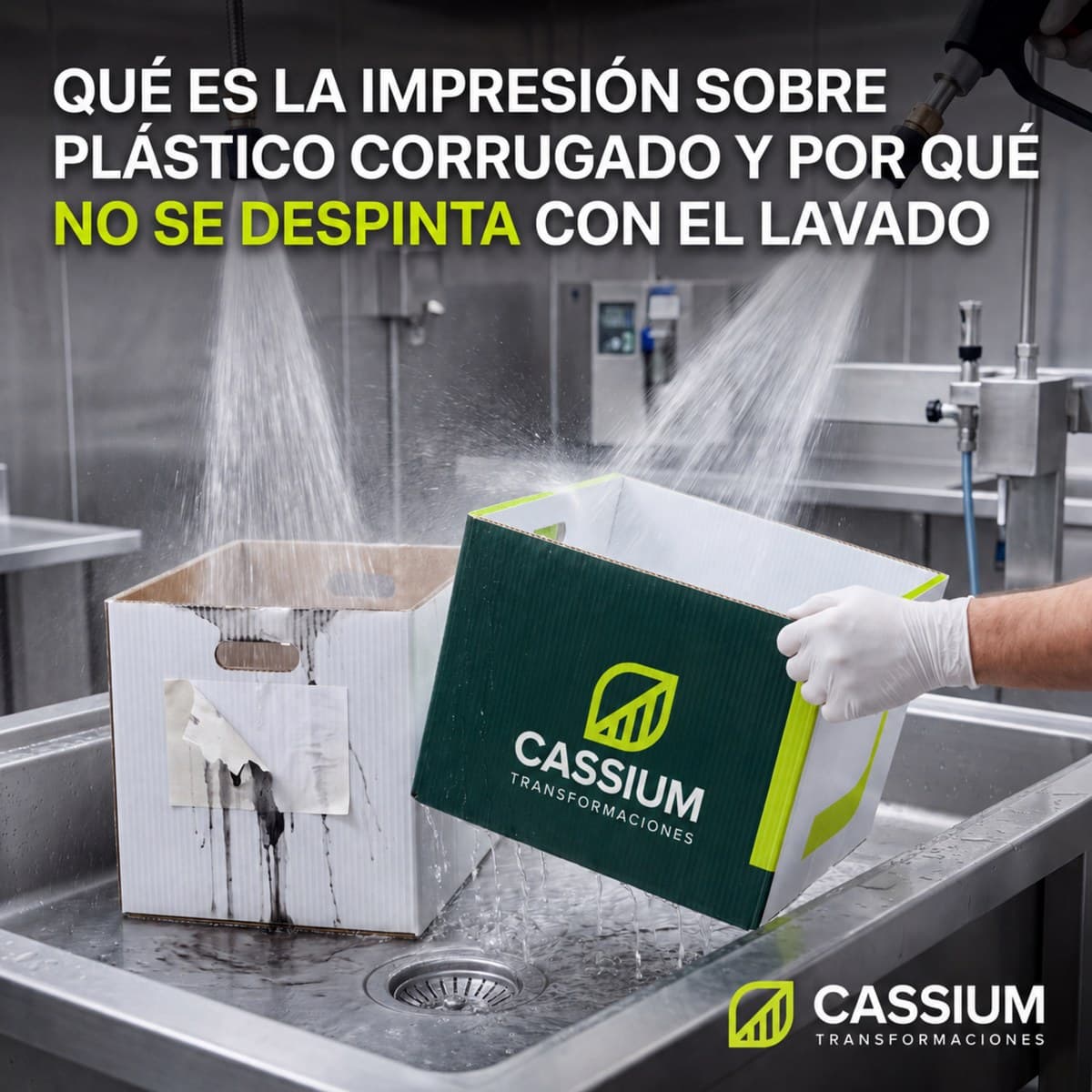
What Printing on Corrugated Plastic Is and Why It Doesn't Wash Off
Printing on corrugated plastic uses inks formulated to bond with the polypropylene, withstanding the same industrial wash cycle as the container itself, unlike a label or a marker.
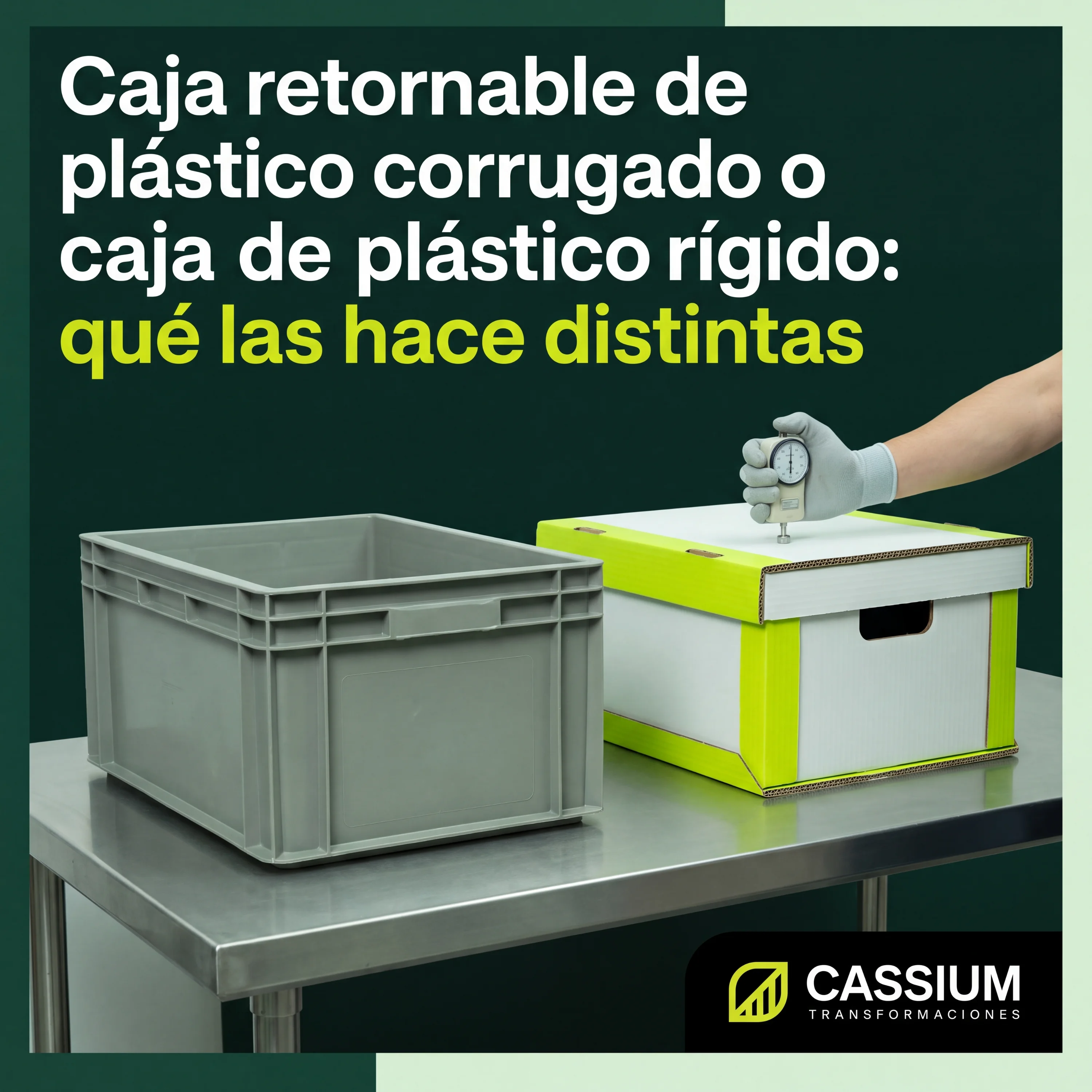
Corrugated Plastic or Rigid Plastic Returnable Box: What Makes Them Different
The real difference between a corrugated plastic returnable box and a rigid plastic one comes down to weight, cost per use cycle, and the type of load each one can handle.
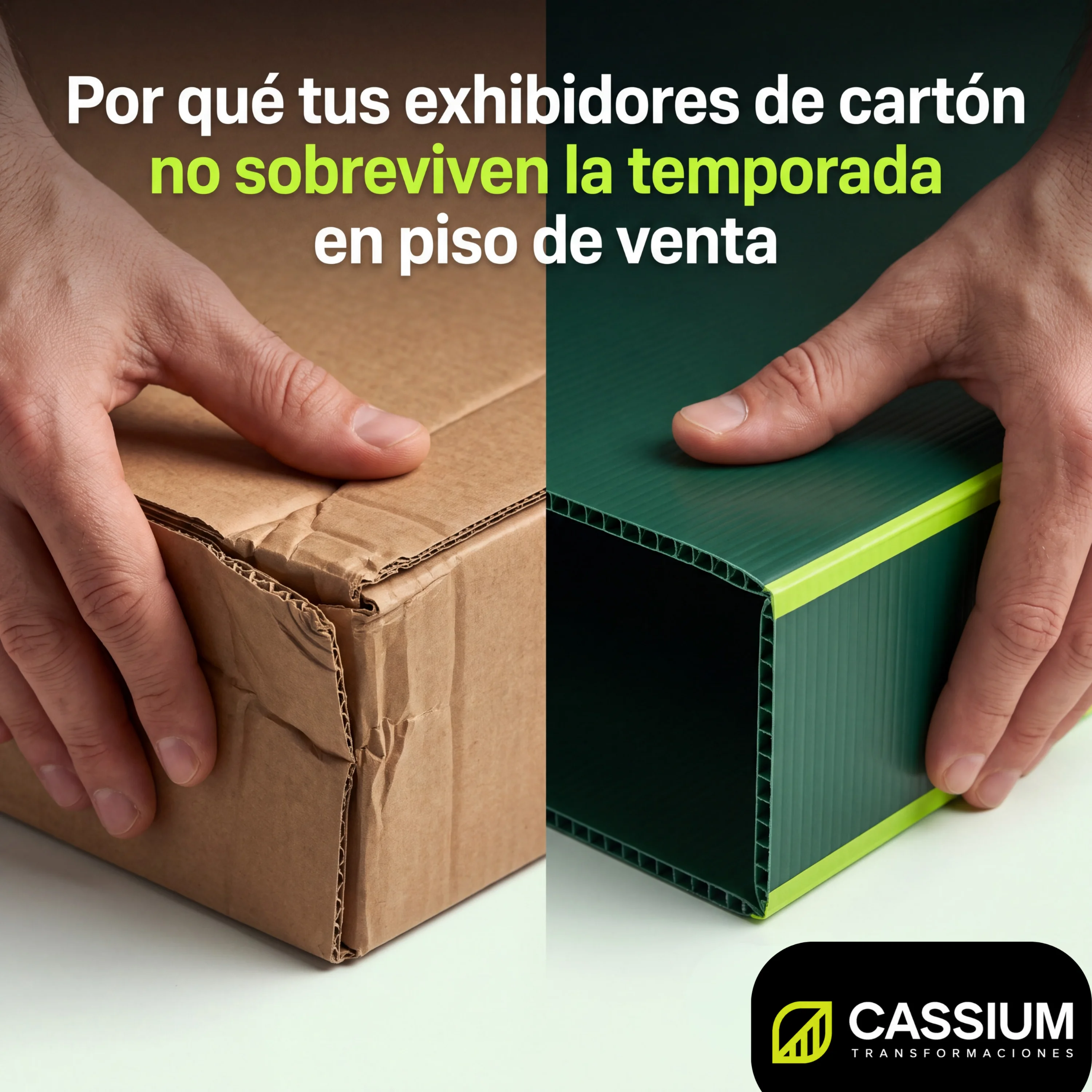
Why Your Cardboard Displays Don't Survive the Season on the Sales Floor
Cardboard displays fail on the sales floor due to ambient humidity, sustained product weight, and constant handling. Corrugated plastic withstands all three.
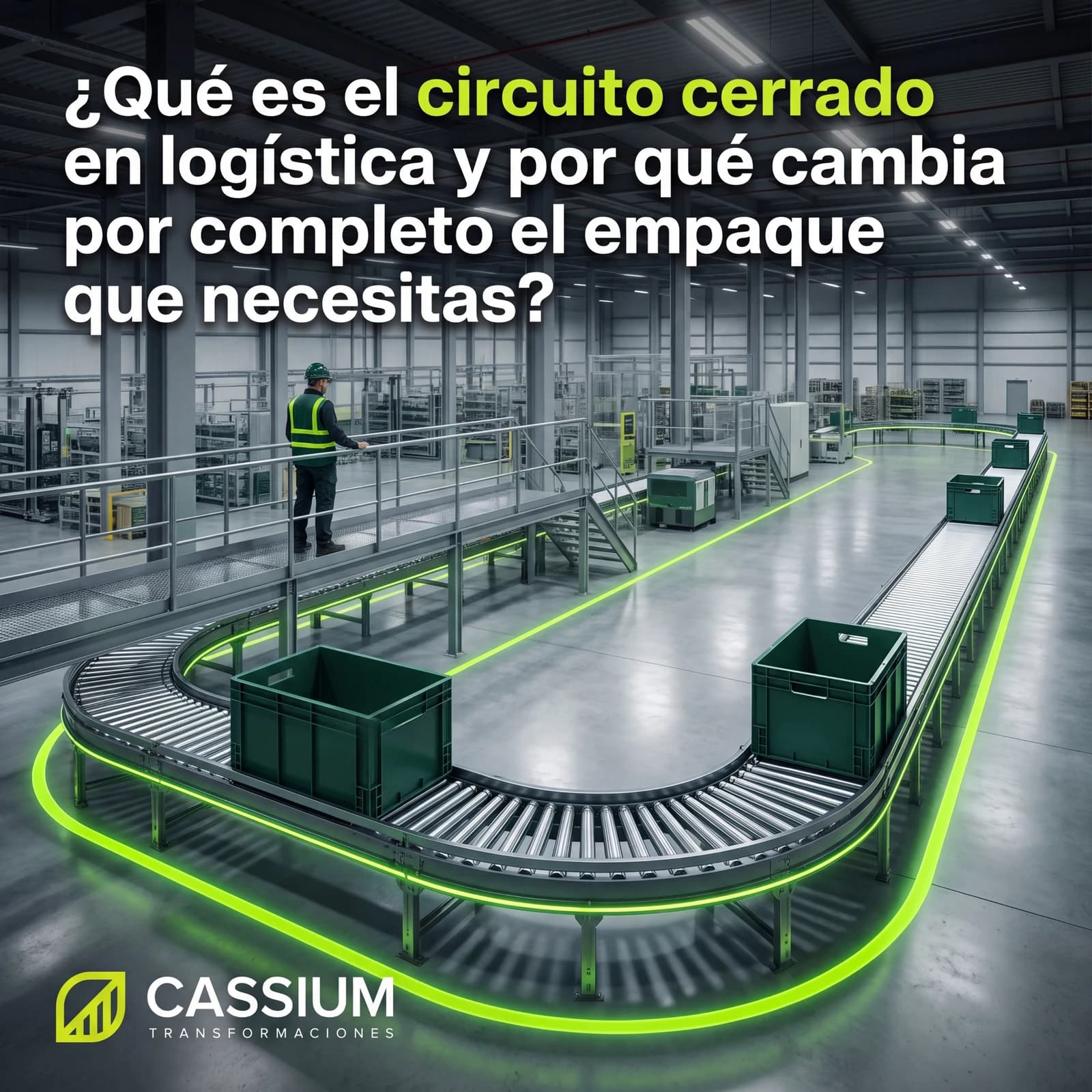
What Is a Closed Loop in Logistics and Why Does It Completely Change the Packaging You Need?
A closed loop is an operation where the same packaging travels back and forth between the same points repeatedly. When your operation works that way, disposable packaging stops being the most efficient option.
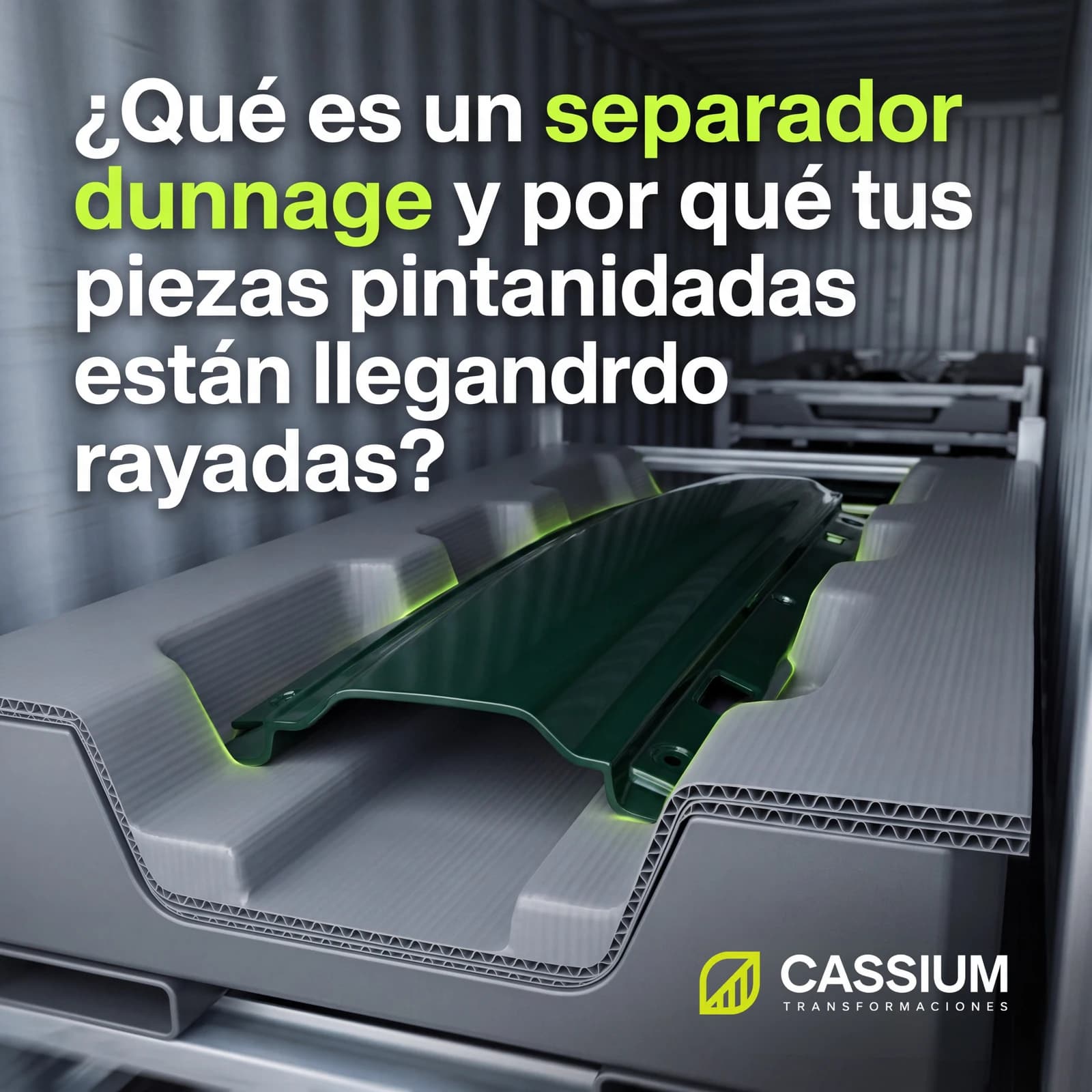
What Is a Dunnage Separator and Why Are Your Painted Parts Arriving Scratched?
A dunnage separator is a custom-designed packaging piece that keeps each component fixed and out of direct contact with other surfaces during transport. Without that specific design, painted parts shift and scratch each other.
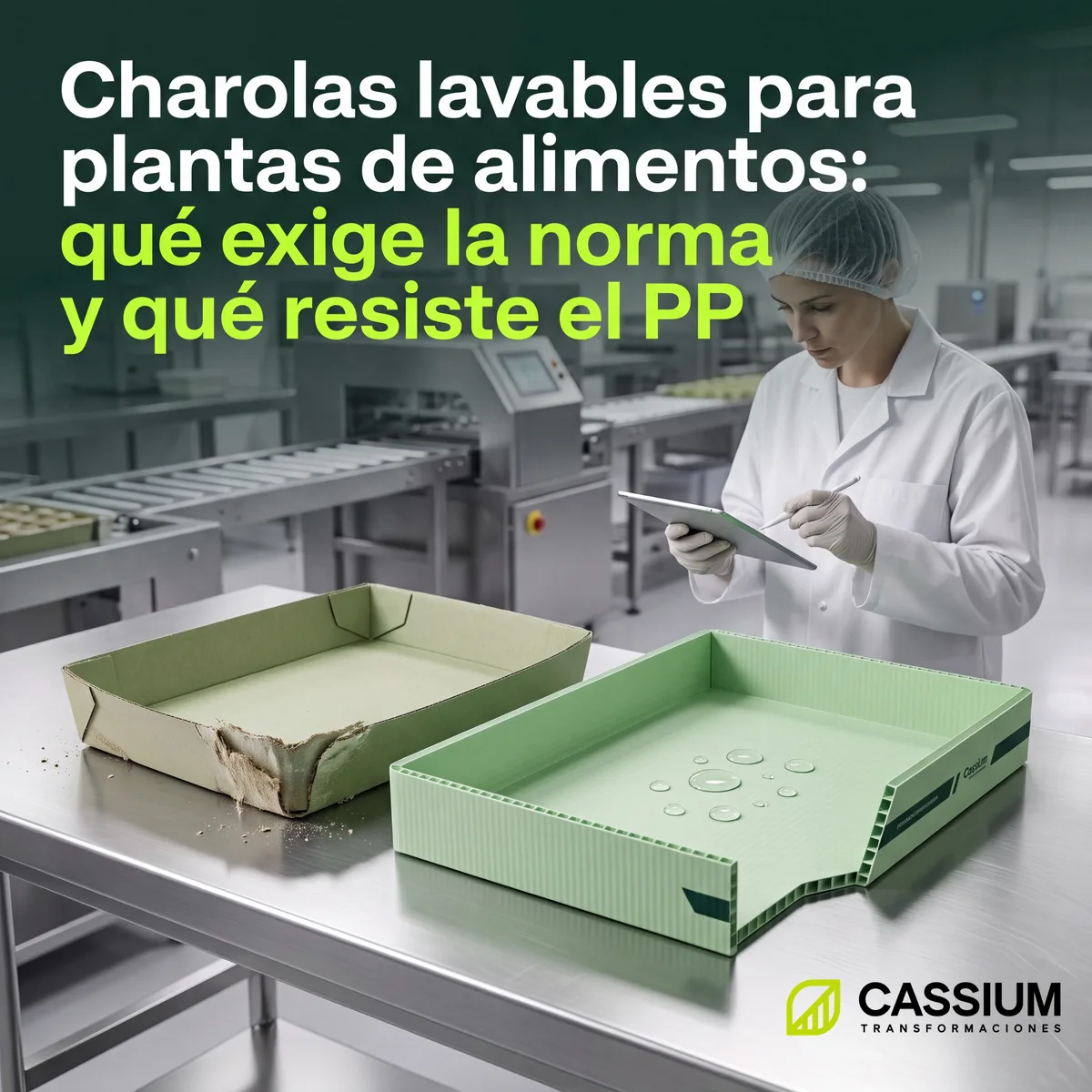
Washable trays for food plants: what the standard requires and what PP withstands
An auditor doesn't approve a tray because it looks clean. They approve it because the material is a genuinely washable surface. We explain what's required and what corrugated polypropylene delivers.
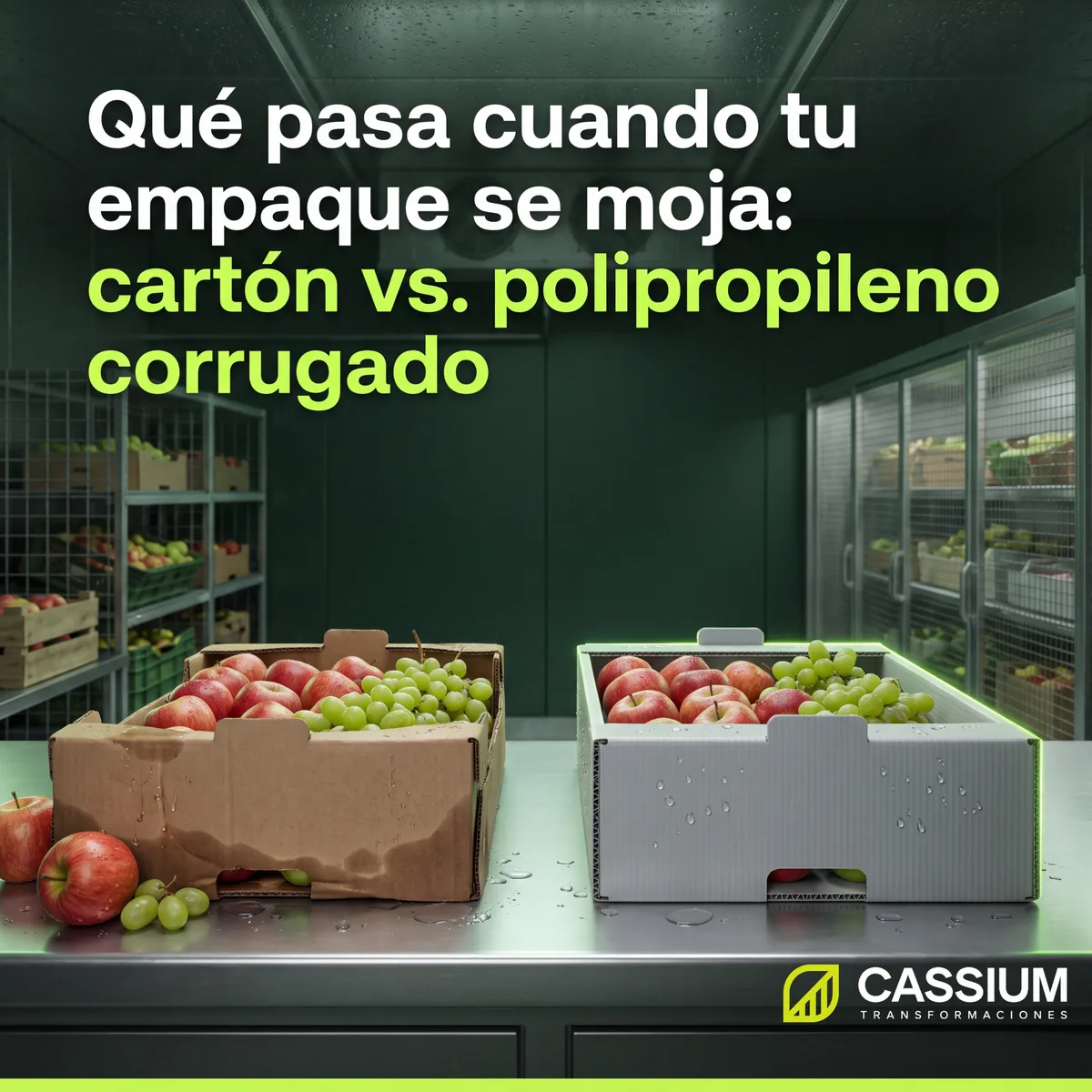
What happens when your packaging gets wet: cardboard vs. corrugated polypropylene
Cardboard soaks up moisture, softens and sheds fiber onto your product. We show you exactly what happens and why corrugated PP doesn't have that problem.
The process starts with your message.